Home › Commercial Gravel-to-Asphalt Conversions
Precision Asphalt New York handles commercial gravel to asphalt conversions in Brooklyn, NY for parking lots, storage yards, and access roads. We rework and compact the existing stone, correct drainage issues, and install a new asphalt surface. The result is a cleaner, more professional area that reduces dust and mud while improving customer and truck access.
Precision Asphalt New York provides professional commercial gravel to asphalt throughout Brooklyn, NY, New York and the surrounding area. Our licensed, insured crew delivers safe, clean, on-time work with a free estimate before anything begins. Call (332) 264-5090 or request your free quote.
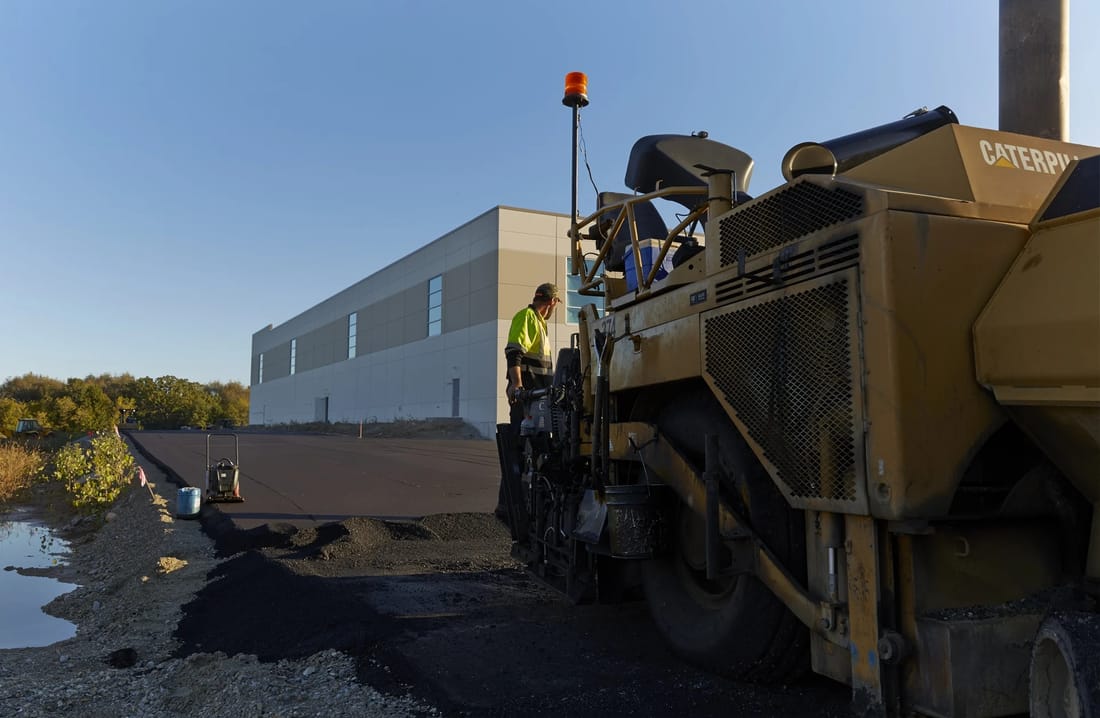
Turn Your Gravel Lot Into a Clean, Durable Asphalt Surface
If you are tired of dust, ruts, and mud every time trucks pull into your property, a commercial gravel-to-asphalt conversion can completely change how your site works day to day. Precision Asphalt New York helps Brooklyn businesses turn loose gravel areas into smooth, striped asphalt lots that stand up to delivery trucks, New York winters, and constant foot traffic.
In Brooklyn, many commercial properties start out as gravel because it is quick and cheap. Over time, though, gravel gets pushed around, washes into drains, and creates uneven driving and walking surfaces. That can mean trip hazards, constant regrading costs, and a less professional look for customers. Converting to asphalt gives you a stable surface that is easier to plow, sweep, and maintain, and it makes it simpler to control drainage and meet NYC code requirements.
When we visit your site, we do not just look at the surface. We look at how trucks move through the lot, where water is pooling, and what is happening under the gravel. That site-specific approach is what lets Precision Asphalt New York design an asphalt section that holds up to the real use on your property, not just what looks good on a plan.
How Commercial Gravel-to-Asphalt Conversions Actually Work
A successful conversion starts with what you already have. First, we walk the entire area with you and probe the gravel and subgrade to see how deep the existing stone is and how firm the base feels. In Brooklyn, a lot of older yards have a mix of construction debris and random fill under the gravel. If we find soft pockets or organic material, we plan to excavate those areas so the new asphalt does not sink later.
Next, we strip or regrade the existing gravel. Good, clean aggregate with the right size range can often be reused as part of the base, which can save money. Contaminated material, such as gravel mixed with topsoil, is hauled away. We then shape the base to create the correct pitch so water runs to drains, catch basins, or the street without crossing sidewalks or neighboring property.
Once grade is right, we compact the base with vibratory rollers in multiple passes. For heavier commercial traffic, we often add and compact additional crushed stone to build up the structure. Only after we hit proper compaction targets do we place asphalt. For most Brooklyn commercial gravel-to-asphalt projects, we install a binder course, which is a stronger, coarser asphalt layer, then a top wearing course for a smooth finish. Thickness depends on your traffic. A small retail lot with light cars might get 2.5 to 3 inches total, while a yard that sees loaded box trucks or semis may use 4 or more inches of asphalt and a beefed-up base.
The final steps are critical. We tighten transitions at the sidewalk and street, adjust or reset any manholes or drain grates so they are flush, and then stripe the lot for parking and traffic flow once the surface has cooled. For busy Brooklyn sites, we can often phase work so part of your lot remains usable throughout construction.
Design Choices, Options, and What Drives Cost
The cost of a commercial gravel-to-asphalt conversion in Brooklyn is mainly driven by three things: how stable your existing base is, how thick the new pavement structure needs to be, and how complex your drainage and layout are.
If your current gravel is deep and well compacted, we may only need light regrading and some added stone in weak areas. That keeps costs down. If we hit buried trash, clay pockets, or old foundations, more excavation and new base material will be required. We discuss those possibilities up front so you understand what might change once we start digging.
Traffic loading is another big factor. Precision Asphalt New York will ask what types of vehicles use the lot, how often heavy trucks come in, and where they turn or park. Turning areas for trucks and loading dock approaches usually need thicker pavement and sometimes reinforced base. It is usually smarter to spend a bit more strengthening those specific zones instead of overbuilding the whole site.
You also have choices in surface mix and layout. For example, some clients prefer a slightly coarser top mix in heavy-duty areas for more traction, and a finer residential-style mix in customer parking areas for appearance. We can incorporate ADA-compliant accessible routes, striped loading zones, and dedicated delivery lanes to keep traffic organized. In a tight Brooklyn setting, we often rework striping to gain extra spaces without expanding the footprint.
Other cost elements include saw-cut tie-ins to the sidewalk or street, adjustments to existing utility structures, and adding or upgrading catch basins if drainage is currently poor. We provide a line-item proposal so you can see how each design choice affects both price and long-term performance.
Brooklyn Climate, Timing, and Common Problems We Solve
New York’s freeze-thaw cycles are tough on poorly built asphalt. When converting from gravel, the goal is to prevent water from getting trapped under the pavement where it can freeze and cause heaving. That is why we pay close attention to base drainage and slope, especially in low-lying areas of Brooklyn where stormwater has fewer places to go.
We usually schedule full gravel-to-asphalt conversions from spring through late fall, when daytime temperatures stay above about 50 degrees for consistent compaction and bonding. For projects that must happen in cooler shoulder seasons, we adjust mix selection and timing so the asphalt does not cool too quickly. We avoid paving right before a heavy rain, since fresh asphalt and newly shaped base can be damaged by fast runoff.
Common issues we solve on Brooklyn commercial sites include standing water at property lines, ruts where trucks repeatedly cut corners, and constant gravel migration into city sidewalks and storm drains. During design, we may add extra stone and asphalt thickness where truck axles track the most, or widen turning radii slightly so wheels are not always riding the same edge. Where drainage is poor, we can install new basins or re-pitch the surface to send water to an existing structure.
For properties that must stay open, like small warehouses or retail plazas, Precision Asphalt New York often phases the work. We might stabilize and pave one half of the lot while you use the other, then flip. Night or weekend work is sometimes an option to minimize disruption. Before we start, we review staging, access for deliveries, and temporary signage so staff and customers know where to go.
What to Expect When You Hire Precision Asphalt New York
Our process is straightforward so you know what is happening at every step. First, we meet on site to measure the gravel area, review your traffic patterns, and identify any drainage or access issues. You tell us what you want the space to do: more parking, easier truck turning, safer pedestrian paths, or all of the above. We then prepare a written proposal that outlines base preparation, asphalt thickness, drainage solutions, and striping, with clear pricing.
Before work starts, we mark out the project limits and confirm final grades. Any required permits or coordination with the City of New York, such as curb or sidewalk tie-ins, are handled according to local regulations. During construction, our crew focuses on keeping access as open as possible and maintaining a clean, safe site. We know many Brooklyn properties are tight, so we coordinate truck routes and material staging so your neighbors are not boxed in.
After paving and striping, we walk the site with you to confirm slopes, transitions, and layout. We explain basic care for the first season, like avoiding very tight turning of heavy trucks on hot days and keeping catch basins clear. We also discuss a long-term maintenance plan, which might include periodic crack sealing and sealcoating, to protect your investment and extend pavement life.
Choosing a contractor for a commercial gravel-to-asphalt conversion is about more than just price. You want a team that understands both paving and how Brooklyn properties actually operate. Precision Asphalt New York combines local experience with detailed planning, so your new asphalt surface performs the way you need, for years, without constant surprise repairs.