Home › Gravel-to-Asphalt Conversions
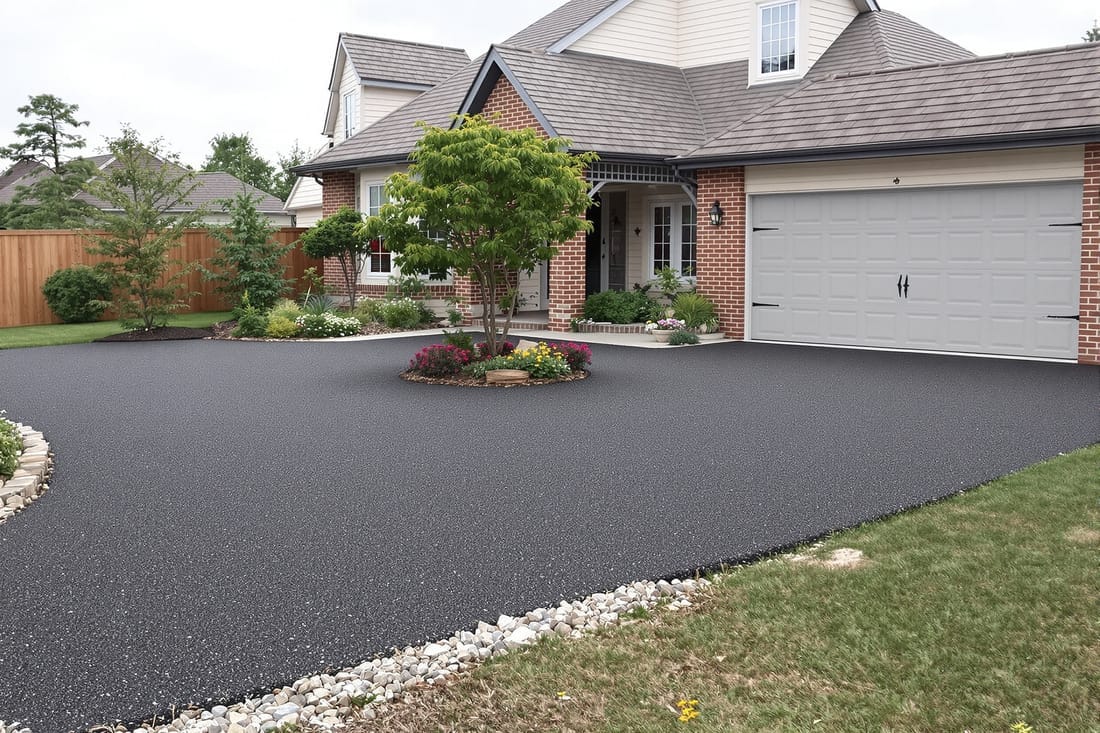
Precision Asphalt New York specializes in gravel to asphalt driveway conversions in Brooklyn, NY, transforming dusty or muddy drives into clean, reliable pavement. We regrade and compact your base, address drainage, then install new asphalt for a smoother, quieter drive. Enjoy less mess, easier snow removal, and better curb appeal with a professional conversion.
Precision Asphalt New York provides professional gravel to asphalt driveway throughout Brooklyn, NY, New York and the surrounding area. Our licensed, insured crew delivers safe, clean, on-time work with a free estimate before anything begins. Call (332) 264-5090 or request your free quote.
Turn Your Gravel Driveway Into Smooth Asphalt in Brooklyn
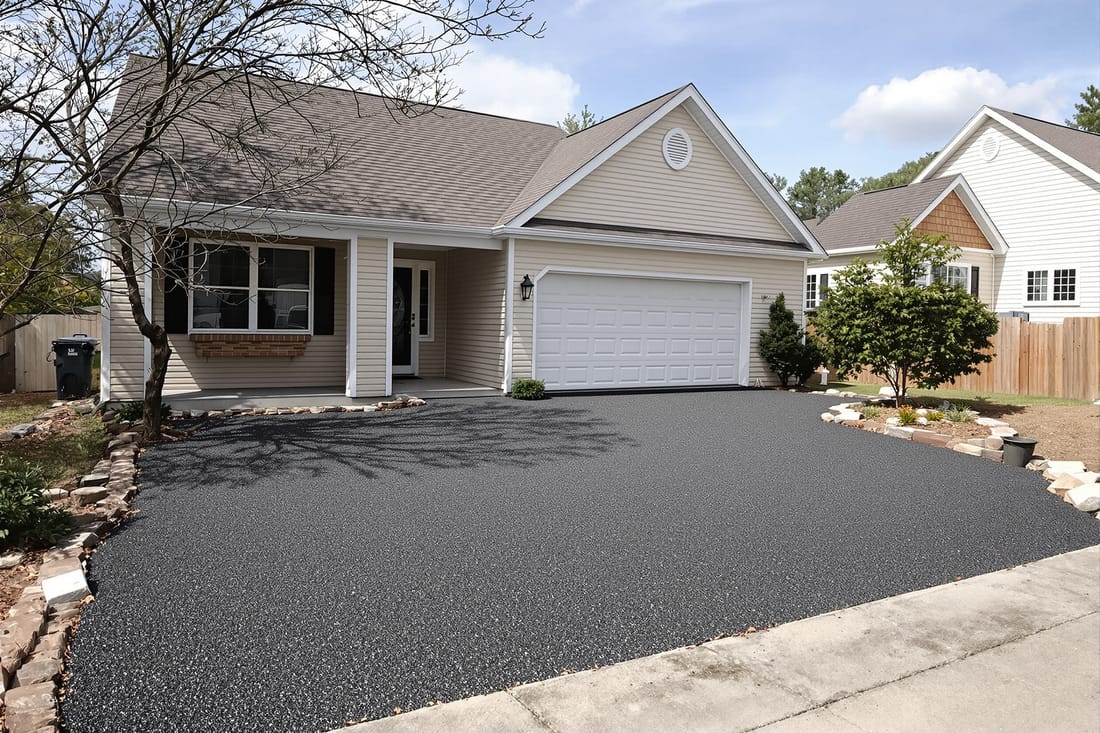
If you are tired of ruts, dust, and loose stone every time you pull into your driveway, a gravel to asphalt driveway conversion can be a smart upgrade. Precision Asphalt New York focuses on turning existing gravel areas into durable asphalt surfaces that stand up to Brooklyn traffic and weather.
A conversion is not just pouring blacktop over stone. We look at what you already have: how thick the gravel base is, how water drains after a storm, and how delivery trucks or ride-share vehicles use the space. In Brooklyn, most driveways are tight to neighboring buildings, fences, and sidewalks, so we also pay close attention to property lines, curb cuts, and city codes.
Our goal is a driveway that drains correctly, does not track mud into your building, and is smooth enough for strollers, wheelchairs, and bike tires. We also plan the timing around New York weather. Asphalt installation needs a stable, reasonably dry forecast, so we schedule most gravel to asphalt driveway work from late spring through early fall, and we avoid pouring right before a cold rain or a sudden temperature drop.
How We Convert a Gravel Driveway to Asphalt, Step by Step
A successful gravel to asphalt driveway project starts with a site visit. Precision Asphalt New York walks the driveway with you, checks for soft spots, standing water, and existing utilities like water lines or oil fill pipes. We measure slopes toward the street or yard and decide if we can reuse your current gravel base or if it needs to be rebuilt.
The first physical step is grading and compacting. We re-shape the gravel with a skid steer so the center is slightly higher than the edges, or we pitch it toward a drain, then compact it with a vibratory roller. In Brooklyn, older gravel driveways often have a lot of mixed debris and fines. If the stone pumps under the roller or feels spongy, we excavate those areas and bring in new crushed stone, usually a NYSDOT-spec material like NYSDOT #2 or similar, then compact in layers.
If drainage is a concern, we cut shallow swales, install trench drains along garages or at the sidewalk, or add perforated pipe wrapped in fabric in problem spots. This is common where driveways sit below sidewalk level or next to brownstone basements.
Once the base is solid, we apply a binder coat of asphalt if the project calls for it. For light residential use, some driveways can go directly to a single lift of dense-graded asphalt, but for driveways that see delivery trucks, vans, or shared parking, we recommend a two-course system: a thicker binder layer topped by a finer top course for a smoother finish.
We install the asphalt hot, spread it to the design thickness (usually 2 to 3 inches compacted for light use, thicker where vehicles turn or park) and compact it with a roller and hand tampers around edges and tight spots. We saw-cut and butt joint into existing sidewalks, aprons, or garage slabs so the transition is clean and does not create a trip edge. Before we leave, we rope or cone off the driveway so no one drives on it too early.
Design Options for Your New Asphalt Driveway
Not every gravel to asphalt driveway needs to look the same. Precision Asphalt New York can adjust the layout and finish as long as we stay within your property lines and any New York City requirements for curb and sidewalk connections.
If your current gravel area is wider than you need, we can tighten the layout to gain a planting strip or a walkway. If you have trouble backing out into a busy Brooklyn street, we can sometimes rework the shape of the asphalt to add a small turnaround or flare for better visibility. For multi-family or mixed-use buildings, we can stripe basic parking stalls once the asphalt has cured enough to accept paint.
Surface texture is another choice. A standard machine-laid finish is smooth enough for daily use, but in steeper spots we can leave a slightly more textured surface for better traction in winter. We also recommend solid, defined edges. Where the asphalt meets soil or lawn, we can build a small asphalt shoulder, install a concrete or block edge, or taper down to stone to reduce edge cracking.
Color is mostly classic black, but you can influence the look with sealcoating later. After the first season, many Brooklyn owners choose a commercial-grade sealer to deepen the color and help the surface shed water and salt. We can also pre-plan small concrete pads where dumpsters or heavy equipment sit so the asphalt around them lasts longer.
What Affects Cost and Timeline in Brooklyn Gravel-to-Asphalt Work
No two gravel to asphalt driveway projects price out the same, even if they look similar at a glance. Precision Asphalt New York walks you through the main cost drivers before we start so there are no surprises.
Base preparation is usually the biggest variable. If your gravel driveway already has 6 to 8 inches of compacted stone and drains well, we can often reuse most of it, which keeps costs down. If we find clay pockets, organic soil, or construction debris beneath the gravel, we may need to excavate deeper and rebuild sections with proper aggregate. In older Brooklyn neighborhoods, it is common to hit unexpected fill, which we factor into our contingencies.
Access also matters. Narrow side yards, rear-lot parking, and tight alleys off the street mean we sometimes have to use smaller machines and more handwork, which increases labor time. We always check truck access for asphalt delivery because hot mix must arrive and be placed quickly for proper compaction.
Thickness and mix design affect price as well. A basic residential gravel to asphalt driveway used only for passenger cars can often use a slightly thinner total section than a shared driveway that handles box trucks or moving vans. Where we expect heavier use, we specify a stronger base and thicker asphalt lifts.
Timeline depends heavily on weather. In New York, we avoid starting a conversion if an extended storm system is moving in, because saturated stone will not compact correctly and fresh asphalt does not like cold, wet conditions. In the busy season, a straightforward job might take one to two days on site, plus lead time for permits if we are working across the sidewalk or in the street apron.
How to Prepare, What to Expect, and Why Local Experience Matters
Before we convert your gravel to asphalt driveway, there are a few things you can do to keep the project smooth. Clear vehicles from the work area and any space we need for equipment and trucks. Let tenants or neighbors know the dates and set alternate parking arrangements. If you have sprinkler heads, low electrical lines, or private drains in or near the gravel, show them to us so we can protect or adjust them.
During the job, expect noise from compactors and saws and some vibration when we roll near buildings. In Brooklyn, many driveways run close to masonry walls and cellar windows. Precision Asphalt New York checks for loose steps or vulnerable structures ahead of time and uses appropriate-sized rollers to limit impact. We also keep a clean site so loose stone and asphalt do not end up in your street gutter.
After paving, you can usually walk on the new asphalt within a few hours, but we recommend keeping vehicles off for 24 to 48 hours, longer if temperatures are very hot. In the first summer, avoid parking heavy vehicles in the same spot for long periods or turning the steering wheel while stopped, because fresh asphalt is more flexible.
Local experience matters with Brooklyn winters and sanitation practices. Plow blades and aggressive shoveling can gouge a new surface if they are set too low, so we suggest rubber-edged blades or slightly raised skids your first season. On trash days, repeated turning and braking in front of your bins can wear specific spots, and we can advise on layout to reduce that.
When you work with Precision Asphalt New York, you get a contractor that understands not only how to install asphalt correctly, but also how its daily use in a dense New York neighborhood affects long-term performance. We design your gravel to asphalt driveway with your specific building, traffic pattern, and local conditions in mind, not a one-size-fits-all template.